
The first time in a camper usually mixes huge excitement with a long list of practical questions. That is completely normal. While the overall idea of the trip seems straightforward, the experience improves a lot when you arrive on departure day with a few things clearly sorted.
This guide is designed for exactly that: helping you not to forget the important things, avoid common mistakes and understand what to check before turning the key. If you work through this checklist calmly, your first camper experience will be far more intuitive than you expect.
What to sort out before pick-up day
- Have your documents, pick-up time and a rough route for the first leg ready before you arrive.
- You do not need to plan every minute, but it helps to have a first overnight zone and a reasonable plan B.
- Checking the forecast helps not just with clothing but with how you will travel and how much time you will spend inside.
- Before leaving home: ID, driving licence, payment method, chargers, sensible clothing and a first night well thought out.
Questions worth asking at handover
- How the fresh water tank works and where grey water is emptied.
- What runs on gas and how the electricity or auxiliary battery is managed.
- What the camper's approximate autonomy is under normal use.
- Where the kitchenware is, what extras are included and what to do if an incident occurs on the road.
The key point at pick-up
You do not need to leave as an expert. You need to leave understanding the essentials calmly. At the base, with the camper stationary and no rush, everything makes much more sense than at night in an overnight area.
What to check when you pick up the camper
- General exterior and interior condition.
- Location of warning triangles, vests and safety equipment.
- Lights, indicators and mirrors working correctly.
- Fuel level and return conditions.
- Kitchenware, bedding or booked extras, if they are part of your trip.
- Opening and closing of doors, windows and basic systems.
One of the best pieces of advice for a first camper trip is not to make the first day a long stage. The first hour should serve to get used to the vehicle size, the mirrors, the turns and the general feel at the wheel.
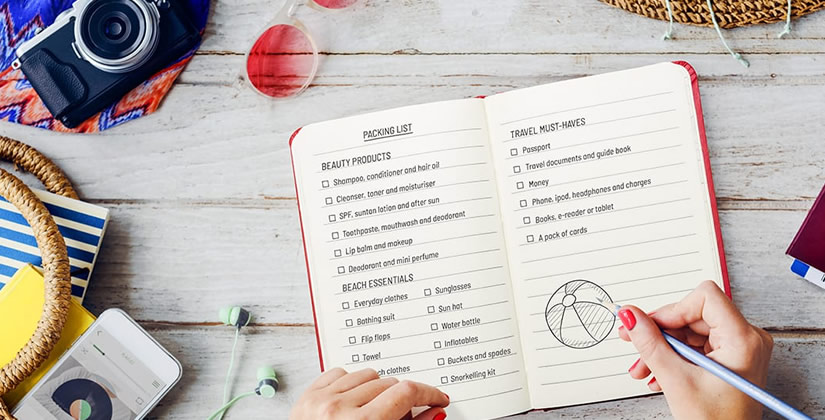
What to actually bring and what usually gets left behind
- Too much clothing, bulky just-in-case items and excessive food from minute one usually go unused.
- What tends to be missing: an extra jacket, some lighting, a charger that is easy to find and a minimum of interior order.
- For kitchen and tableware, check first what the booking includes to avoid carrying unnecessary items.
- Travelling light not only saves space: it makes day-to-day life much more comfortable.
The first night: quick checklist
- Check you have parked sensibly and correctly.
- Confirm your rest plan and the minimum ventilation needed.
- Know where water, light and essential items are.
- Set up the sleeping area with time to spare, not when you are already exhausted.
- Keep coat, a light source, phone, chargers and keys within reach.
If you have never slept in a camper before, hearing more outside sounds, feeling some movement or taking a little longer to settle the first night is completely normal.
Useful apps to keep the trip simple
- Google Maps or Waze for navigation and traffic.
- AEMET for a more informed weather check.
- Park4Night or Campercontact to find areas, services and recent reviews.
- Do not rely on a single app for overnight stops: cross-check information and always have a backup plan.
Common mistakes on a first camper trip
- Trying to cover too many kilometres on day one.
- Arriving late to the first overnight stop without a backup.
- Bringing too much luggage.
- Not asking questions at handover out of shyness or rushing.
- Thinking you need to have everything under control from minute one.
- Confusing improvising with not planning at all.
Final checklist before you start
Documents checked, first destination planned, backup overnight option ready, weather consulted, basic water, electricity and gas operation understood, light packing done and a relaxed first leg. With those sorted, you have already won a lot.
Useful resources
Frequently asked questions
Is it normal to feel a bit lost the first night?
Yes. The first night usually serves to build your routine. Small sounds, rearranging things or taking a while to set up the bed is perfectly normal.
How much planning is needed before leaving?
Enough to not arrive blind at your first overnight stop. You do not need the whole trip locked in, but having a first destination, a plan B and basic forecasts ready is wise.
What mistake matters most on a first trip?
Usually trying to do too much on day one: too many kilometres, arriving late and not leaving enough time to get comfortable with the vehicle.
Your first time in a camper does not require doing everything perfectly. It requires leaving with a few clear basics and room to adapt. If you understand the vehicle, pack reasonably and do not turn day one into a race, the experience tends to be far simpler than it looks from the outside.